
How to Start Growing Microgreens in Your Indian Home

Microgreens are tiny, nutrient-packed greens harvested just after the first leaves develop. They are gaining popularity in Indian households for their health benefits, ease of cultivation, and versatility in cooking. Whether you want to add a fresh crunch to your salads or boost your daily nutrient intake, microgreens are an excellent choice. This guide will walk you through the essential microgreens cultivation tips to start growing microgreens in your Indian home successfully.
Essential Microgreens Cultivation Tips for Beginners
Starting your microgreens garden at home is easier than you might think. Here are some practical tips to help you get started:
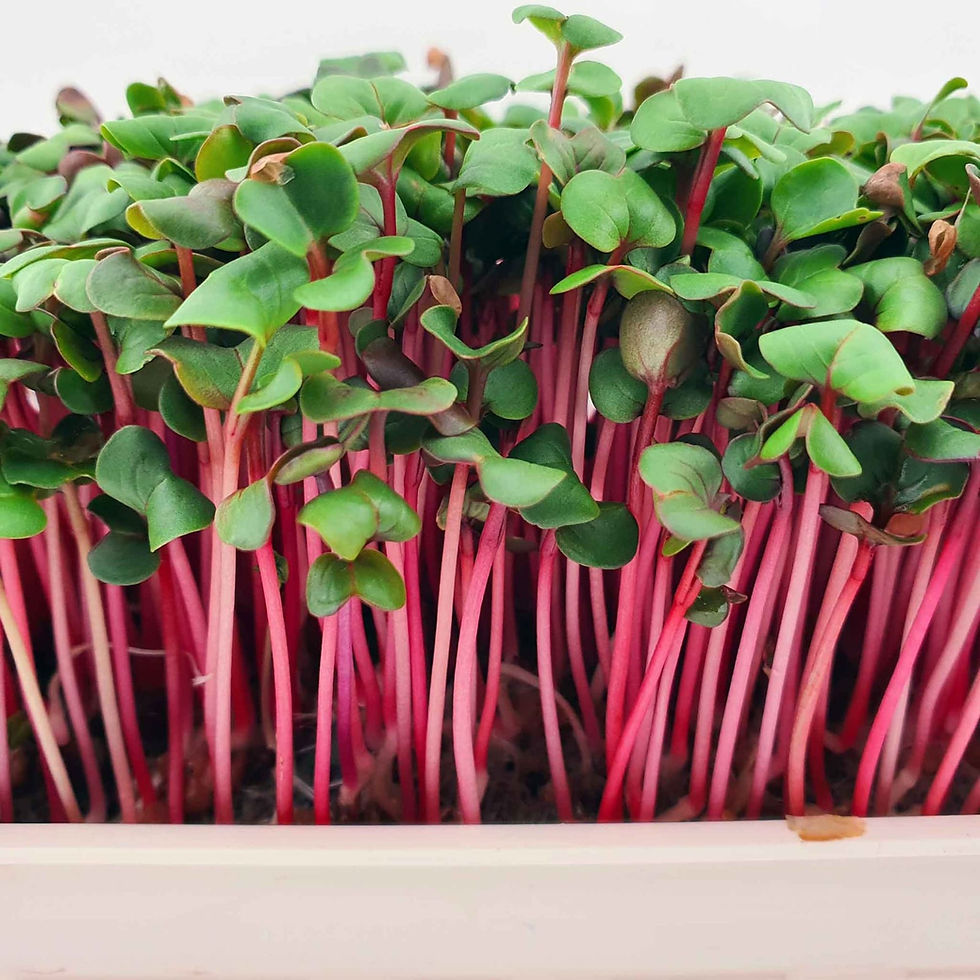
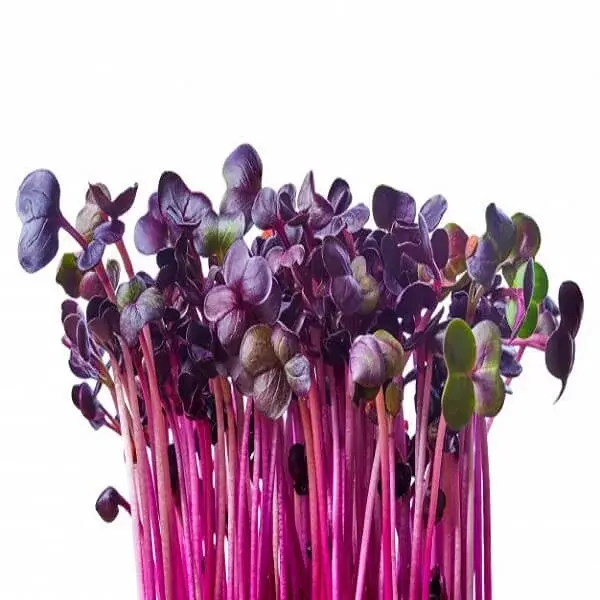
Choose the Right Seeds: Popular microgreens in India include fenugreek (methi), mustard, coriander (dhania), radish, and sunflower. These seeds are easy to grow and widely available.
Select Suitable Containers: Use shallow trays or containers with drainage holes. You can repurpose plastic containers or buy specialized microgreen trays.
Use Quality Growing Medium: Opt for organic potting soil, coco peat, or a seed-starting mix. Avoid garden soil as it may contain pests or diseases.
Maintain Proper Light: Microgreens need 4-6 hours of indirect sunlight daily. A bright windowsill or balcony is ideal.
Water Wisely: Keep the soil moist but not soggy. Use a spray bottle to mist the seeds and seedlings gently.
Temperature and Humidity: Microgreens thrive in temperatures between 20-25°C. Avoid extreme heat or cold.
By following these tips, you can ensure a healthy and productive microgreens garden in your home.

How to Prepare Your Space for Microgreens Cultivation
Creating the right environment is crucial for successful microgreens cultivation. Here’s how to prepare your space:
Choose a Clean, Well-Ventilated Area: A kitchen counter, balcony, or near a window works well.
Set Up Your Trays: Fill your trays with the growing medium, leaving about 1 inch from the top.
Sow Seeds Evenly: Spread seeds evenly across the surface. For denser growth, sow seeds close but avoid overcrowding.
Cover Seeds Lightly: Some seeds need a thin layer of soil on top; others can be left uncovered. Check seed-specific instructions.
Water Immediately: Mist the soil gently to moisten it without flooding.
Cover with a Dome or Plastic Wrap: This helps retain moisture and warmth during germination.
Remove Cover After Germination: Once seeds sprout, remove the cover to allow airflow and prevent mold.
Setting up your space properly will help your microgreens thrive and reduce the risk of common problems like mold or poor germination.

Do Microgreens Regrow After Cutting?
A common question among microgreens enthusiasts is whether microgreens regrow after harvesting. The answer depends on the type of microgreen:
Single-Harvest Microgreens: Most microgreens, such as mustard, radish, and fenugreek, are harvested by cutting the stems just above the soil. These do not regrow because the seedling’s energy is focused on the first growth.
Cut-and-Come-Again Varieties: Some microgreens like pea shoots and sunflower shoots can regrow if cut carefully, but the second harvest is usually smaller and less vigorous.
Best Practice: For consistent quality and yield, it is recommended to sow fresh seeds for each batch rather than relying on regrowth.
Understanding this helps you plan your microgreens cultivation schedule and ensures you always have fresh greens ready to use.
Step-by-Step Guide to Growing Microgreens at Home
If you want to start growing microgreens at home, here is a simple step-by-step guide tailored for Indian homes:
Select Your Seeds: Purchase high-quality seeds from trusted suppliers or online stores like Miikrogrenz.
Prepare Your Tray: Fill with a sterile growing medium and level it.
Sow Seeds: Spread seeds evenly and press gently into the soil.
Water and Cover: Mist the seeds and cover with a lid or plastic wrap.
Germinate: Keep the tray in a warm, dark place for 2-3 days until seeds sprout.
Provide Light: Move the tray to a sunny spot or under grow lights.
Water Regularly: Mist daily to keep soil moist.
Harvest: Cut microgreens when they reach 2-3 inches tall, usually within 7-14 days.
Enjoy Fresh: Use microgreens in salads, sandwiches, smoothies, or as garnishes.
This method is simple, cost-effective, and perfect for urban homes with limited space.
Tips for Maximizing Yield and Quality of Microgreens
To get the best results from your microgreens cultivation, consider these additional tips:
Use Organic Seeds: Avoid treated seeds to ensure safe and healthy microgreens.
Rotate Crops: Grow different varieties in cycles to maintain soil health and variety in your diet.
Control Pests Naturally: Use neem oil spray or keep the growing area clean to prevent pests.
Harvest at the Right Time: Cutting microgreens too early or too late affects taste and nutrition.
Store Properly: Keep harvested microgreens in a sealed container in the refrigerator and consume within 3-4 days.
Experiment with Flavors: Try spicy radish, sweet sunflower, or aromatic coriander microgreens to find your favorites.
By applying these tips, you can enjoy a continuous supply of fresh, flavorful microgreens all year round.

Growing Microgreens as a Business Opportunity in India
Microgreens cultivation is not only a healthy hobby but also a promising business opportunity. With increasing awareness about nutrition and organic food, demand for fresh microgreens is rising in urban India. Here’s how you can turn your microgreens garden into a profitable venture:
Sell Microgreen Seeds and DIY Kits: Many people want to start growing microgreens but lack knowledge or resources. Offering seeds and easy-to-use kits can attract beginners.
Offer Franchise Opportunities: Partner with established brands like Miikrogrenz to expand your reach and credibility.
Target Restaurants and Cafes: Fresh microgreens are popular in gourmet cooking. Build relationships with local eateries.
Use Online Platforms: Sell your products through websites and social media to reach a wider audience.
Educate Customers: Share recipes, growing tips, and health benefits to build trust and loyalty.
With minimal investment and space, microgreens cultivation can become a sustainable source of income while promoting healthy living.
Starting your own microgreens garden is a rewarding way to enhance your diet and lifestyle. By following these microgreens cultivation tips and leveraging the right resources, you can enjoy fresh, nutritious greens year-round. Whether for personal use or business, microgreens offer a green, healthy future right from your Indian home.








Comments