
Mastering Indoor Microgreens: A Comprehensive Guide

Updated: Feb 3
Microgreens Growing Tips: Setting Up Your Indoor Garden
Starting your indoor microgreens garden requires some preparation but is straightforward and rewarding. Here are the key steps to set up your growing space:
Choose the Right Containers: Shallow trays with drainage holes work best. You can use seedling trays, recycled containers, or specialized microgreen trays.
Select Quality Growing Medium: Use organic potting soil, coconut coir, or hemp mats designed for microgreens. Avoid garden soil as it may contain pests or diseases.
Pick Suitable Seeds: Popular microgreens include radish, sunflower, pea shoots, basil, and cilantro. Purchase seeds specifically labeled for microgreens to ensure high germination rates.
Provide Adequate Light: Microgreens need 12-16 hours of light daily. Place trays near a sunny window or use LED grow lights for consistent results.
Maintain Proper Temperature and Humidity: Ideal temperature ranges from 18°C to 24°C (65°F to 75°F). Keep humidity moderate to prevent mold growth.
By following these tips, you create an environment where microgreens can thrive, producing fresh, flavorful greens in just 7-14 days.

How to Care for Microgreens: Watering and Maintenance Tips
Proper care is essential to ensure healthy growth and maximize yield. Here’s how to maintain your microgreens during their short growing cycle:
Watering: Use a spray bottle to mist the soil gently twice a day. Avoid overwatering, which can cause mold or root rot. The soil should be moist but not soggy.
Air Circulation: Good airflow helps prevent fungal diseases. Use a small fan or open a window to keep air moving around your microgreens.
Thinning: If seeds are sown too densely, thin them out by snipping weaker seedlings to give stronger ones room to grow.
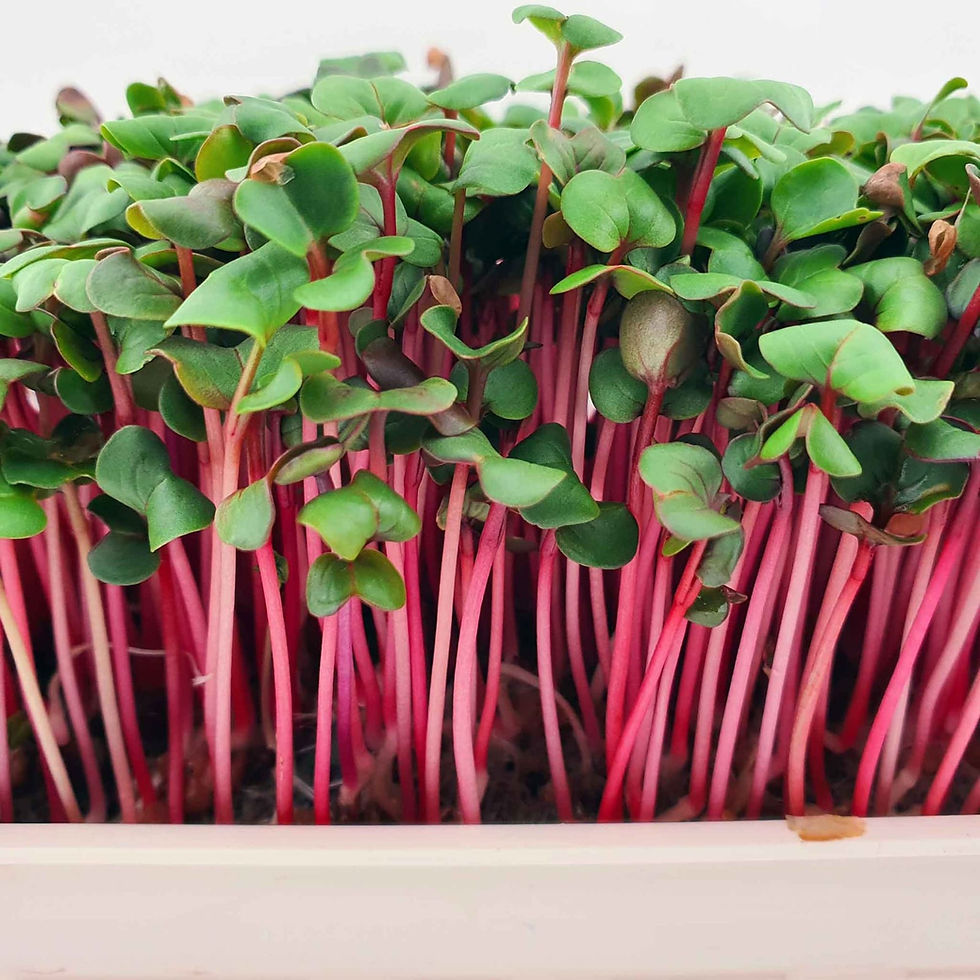
Harvest Timing: Most microgreens are ready to harvest when they develop their first true leaves, usually between 7 and 14 days after sowing.
Regular monitoring and gentle care will ensure your microgreens are healthy, flavorful, and visually appealing.
Do Microgreens Regrow After Cutting?
One common question is whether microgreens can regrow after harvesting. The answer depends on the type of microgreen and how it is cut:
Single-Harvest Microgreens: Most microgreens, such as radish, mustard, and basil, are harvested by cutting the stems just above the soil. These typically do not regrow because the seedling’s energy is focused on the initial growth.
Cut-and-Come-Again Varieties: Some microgreens like pea shoots and sunflower shoots can regrow if cut carefully, allowing a second harvest. However, the regrowth is usually less vigorous and may require additional care.
Regrowth Tips: To encourage regrowth, cut microgreens with clean scissors, leaving about 1 inch of stem above the soil. Water and provide light as usual. Expect a smaller second harvest within 7-10 days.
Understanding these differences helps you plan your planting schedule and maximize your microgreen supply.

Choosing the Best Seeds and Kits for Indoor Microgreens
Selecting the right seeds and kits can simplify your microgreens growing journey. Here are some recommendations:
Seed Quality: Opt for organic, untreated seeds specifically sold for microgreens. These seeds have higher germination rates and are free from chemicals.
Variety Selection: Start with easy-to-grow varieties like radish, sunflower, and broccoli. Once confident, experiment with herbs like basil, cilantro, and arugula.
DIY Kits: For beginners, DIY microgreen kits provide everything needed - seeds, trays, growing medium, and instructions. These kits reduce guesswork and are ideal for urban dwellers.
Franchise Opportunities: If you want to turn your passion into a business, consider franchise options like Miikrogrenz, which offers microgreen seeds, DIY kits, and franchise support.
For those interested in growing microgreens at home, these resources provide a convenient and reliable way to start your indoor garden.
Maximizing Yield and Nutritional Value of Microgreens
To get the most out of your microgreens, focus on optimizing growth conditions and harvesting techniques:
Use Fresh Seeds: Older seeds may have reduced germination and vigor.
Maintain Consistent Light: Use timers for grow lights to ensure microgreens receive the right amount of light daily.
Avoid Overcrowding: Sow seeds evenly and avoid clumping to prevent competition for nutrients.
Harvest at Peak Time: Harvest microgreens when they have fully developed their first true leaves for maximum flavor and nutrition.
Store Properly: After harvesting, rinse gently and store microgreens in a sealed container in the refrigerator. Use within a few days for best freshness.
By following these steps, you can enjoy a steady supply of nutrient-dense microgreens that enhance your meals and support your health.
Expanding Your Indoor Microgreens Garden
Once you have mastered the basics, consider expanding your indoor microgreens garden:
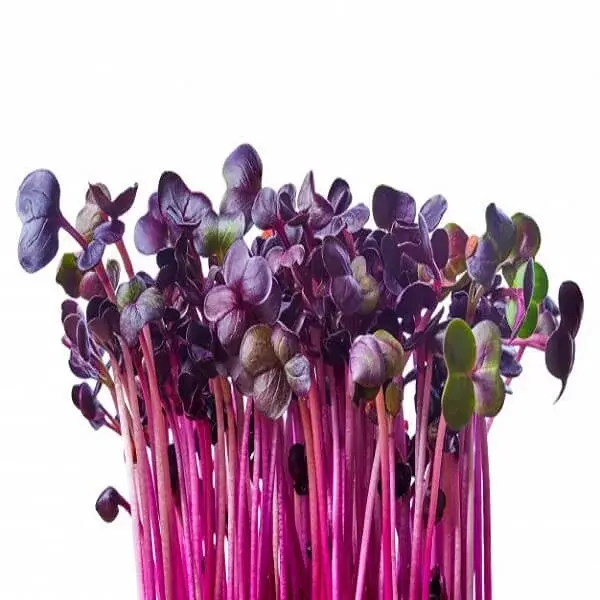
Try New Varieties: Experiment with exotic microgreens like amaranth, shiso, or purple basil for unique flavors and colors.
Vertical Gardening: Use vertical racks or shelves to grow multiple trays in limited space.
Combine with Hydroponics: Explore soil-free growing methods for faster growth and cleaner harvests.
Community Sharing: Share your microgreens with friends or local markets to spread the benefits and build a microgreen community.
Growing microgreens indoors is a sustainable, enjoyable hobby that can also become a profitable venture with the right approach.
Conclusion: The Joy of Growing Microgreens
By incorporating these microgreens growing tips, you can successfully cultivate fresh, healthy greens indoors all year round. Whether you are a beginner or looking to expand your microgreen garden, the right seeds, care, and setup will ensure your success. Start your journey today and enjoy the vibrant flavors and health benefits of homegrown microgreens.
With the right approach, you can transform your indoor space into a thriving microgreens garden, providing you with fresh produce that enhances your meals and supports your health.








Comments