
Understanding Side Effects of Microgreens

Microgreens have become a popular addition to many kitchens, praised for their vibrant colors, intense flavors, and impressive nutritional profiles. These tiny greens are young vegetable or herb seedlings harvested just after the first leaves develop. While they offer numerous health benefits, it is important to understand the potential side effects of microgreens before incorporating them regularly into your diet.
What Are Microgreens and Why Are They Popular?
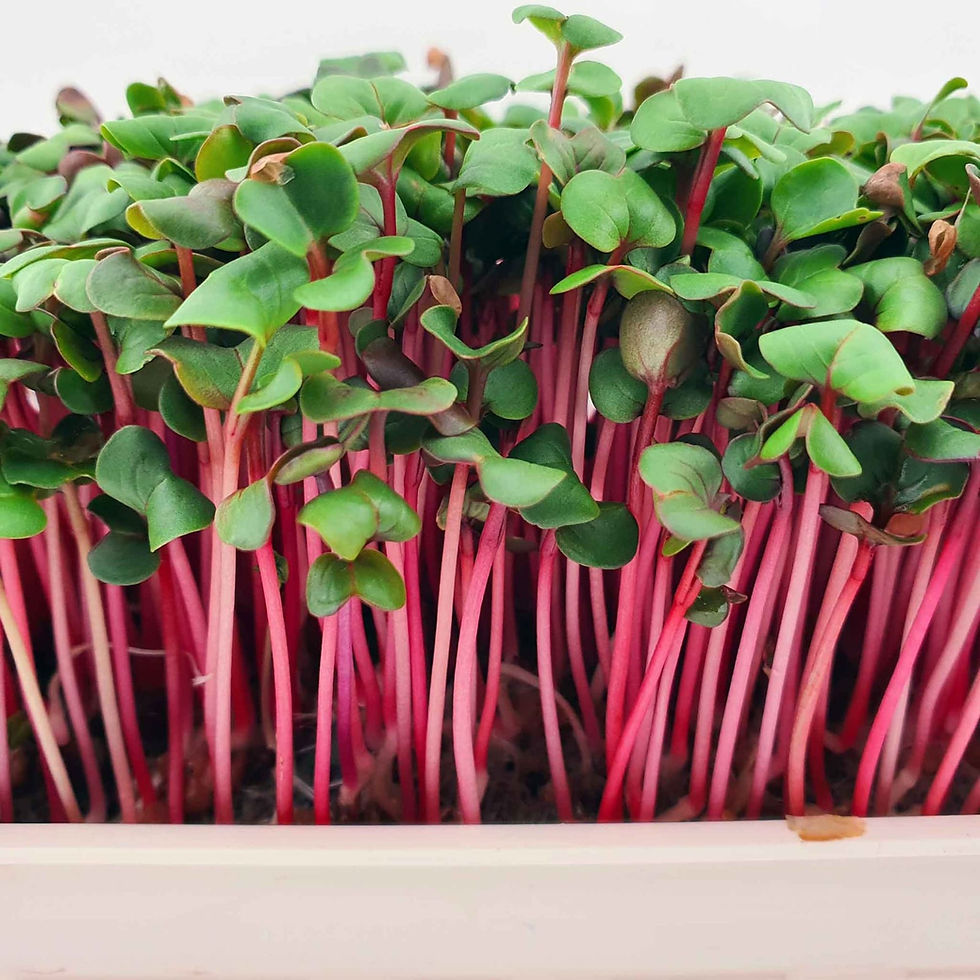
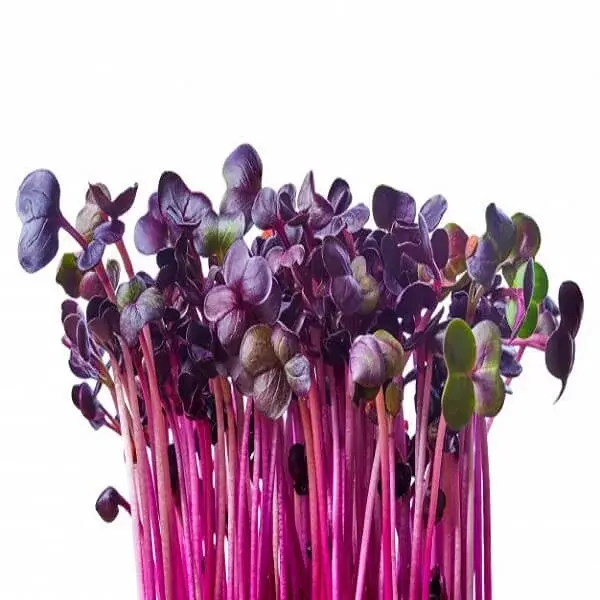
Microgreens are harvested at an early stage, usually within 7 to 21 days after germination. They come from a variety of plants such as kale, radish, sunflower, basil, and cilantro. Their concentrated nutrients make them a favorite among health-conscious individuals looking to boost their intake of vitamins, minerals, and antioxidants.
People often add microgreens to salads, sandwiches, smoothies, and garnishes. Their ease of growth at home with DIY kits or small indoor gardens has also contributed to their rising popularity. Additionally, businesses like Miikrogrenz offer microgreen seeds and franchise opportunities, making it easier for urban dwellers to access fresh microgreens.

Side Effects of Microgreens You Should Know
While microgreens are generally safe and healthy, some side effects can occur, especially if consumed in large quantities or if certain precautions are not taken. Here are some potential side effects to be aware of:
1. Risk of Foodborne Illness
Microgreens are grown in moist environments, which can sometimes promote the growth of harmful bacteria such as E. coli or Salmonella. If the seeds or growing medium are contaminated, this can lead to foodborne illnesses. It is essential to source seeds from reputable suppliers and maintain hygienic growing conditions.
2. Allergic Reactions
Some individuals may experience allergic reactions to specific types of microgreens. For example, people allergic to mustard may react to mustard microgreens. Symptoms can include itching, swelling, or digestive discomfort. If you have known allergies to certain vegetables or herbs, it is best to introduce microgreens cautiously.
3. Digestive Issues
Eating large amounts of microgreens, especially those high in fiber, can cause bloating, gas, or stomach cramps in some people. This is more likely if your digestive system is not used to high-fiber foods. Start with small servings and increase gradually to allow your body to adjust.
4. Interaction with Medications
Certain microgreens, such as those from the cruciferous family (e.g., broccoli, kale), contain compounds that may interfere with blood-thinning medications or thyroid function. If you are on medication or have thyroid issues, consult your healthcare provider before adding these microgreens to your diet regularly.
5. Pesticide Residue Concerns
Although many microgreens are grown organically, some commercially available products may contain pesticide residues. Washing microgreens thoroughly before consumption can reduce this risk. Opting for organic seeds and growing your own microgreens at home can also minimize exposure.
Are Microgreens Risky to Eat?
For most people, microgreens are a safe and nutritious food choice. However, the risks mentioned above highlight the importance of proper handling and consumption practices. Here are some tips to reduce any potential risks:
Buy from trusted sources: Purchase seeds and microgreens from reputable suppliers who follow safety standards.
Practice good hygiene: Wash your hands, tools, and growing containers regularly.
Rinse microgreens before eating: Even if labeled pre-washed, a quick rinse can help remove dirt and bacteria.
Start with small portions: Introduce microgreens gradually to monitor any adverse reactions.
Grow your own: Using DIY kits to grow microgreens at home allows you to control the environment and reduce contamination risks.
By following these precautions, you can enjoy the benefits of microgreens while minimizing any health risks.

Nutritional Benefits vs. Potential Side Effects
Microgreens pack a nutritional punch, often containing higher concentrations of vitamins C, E, and K, as well as antioxidants and minerals compared to their mature counterparts. This makes them an excellent addition to a balanced diet.
However, the potential side effects should not be overlooked. For example, the high vitamin K content in some microgreens can affect blood clotting, which is important for people on anticoagulant therapy. Similarly, the fiber content, while beneficial, can cause digestive discomfort if consumed excessively.
Balancing the intake of microgreens with other foods and being mindful of your individual health conditions will help you maximize benefits and avoid side effects.
How to Safely Incorporate Microgreens into Your Diet
To enjoy microgreens safely and effectively, consider these practical recommendations:
Start Small: Begin with a tablespoon or two in salads or sandwiches.
Diversify: Rotate different types of microgreens to avoid overconsumption of any one kind.
Wash Thoroughly: Rinse under cold water before eating.
Store Properly: Keep microgreens refrigerated and consume them within a few days.
Consult Professionals: If you have health conditions or take medications, seek advice from a healthcare provider.
By following these steps, you can enjoy the fresh taste and health benefits of microgreens without worry.
Why Choose Miikrogrenz for Your Microgreen Needs?
Miikrogrenz offers high-quality microgreen seeds, DIY growing kits, and franchise opportunities designed for urban health enthusiasts. Their products are tailored to help you grow fresh, nutritious microgreens at home or start a business with minimal investment.
Quality Seeds: Carefully selected for germination and safety.
Easy-to-Use Kits: Perfect for beginners and busy urban lifestyles.
Support and Guidance: Expert advice to help you succeed in growing or franchising.
Investing in Miikrogrenz products ensures you get fresh microgreens with minimal risk of contamination or side effects.
Microgreens are a fantastic way to boost your nutrition, but understanding the potential side effects is crucial for safe consumption. By sourcing quality seeds, practicing good hygiene, and introducing microgreens gradually, you can enjoy their many benefits without concern. Explore the range of microgreen seeds and kits available from Miikrogrenz to start your healthy microgreen journey today.
For more detailed information on microgreens side effects, visit the official Miikrogrenz website.








Comments