
Understanding the Side Effects of Microgreens

Microgreens have become a popular addition to many kitchens and diets, praised for their vibrant colors, intense flavors, and impressive nutritional profiles. These tiny, young plants are harvested just after the first leaves develop, making them a nutrient-dense superfood. However, like any food, microgreens may come with certain side effects that health-conscious individuals should be aware of before incorporating them regularly into their meals.
Common Side Effects of Microgreens
While microgreens are generally safe and beneficial, some people may experience mild side effects. These can vary depending on the type of microgreen consumed, individual sensitivities, and how they are grown or stored.
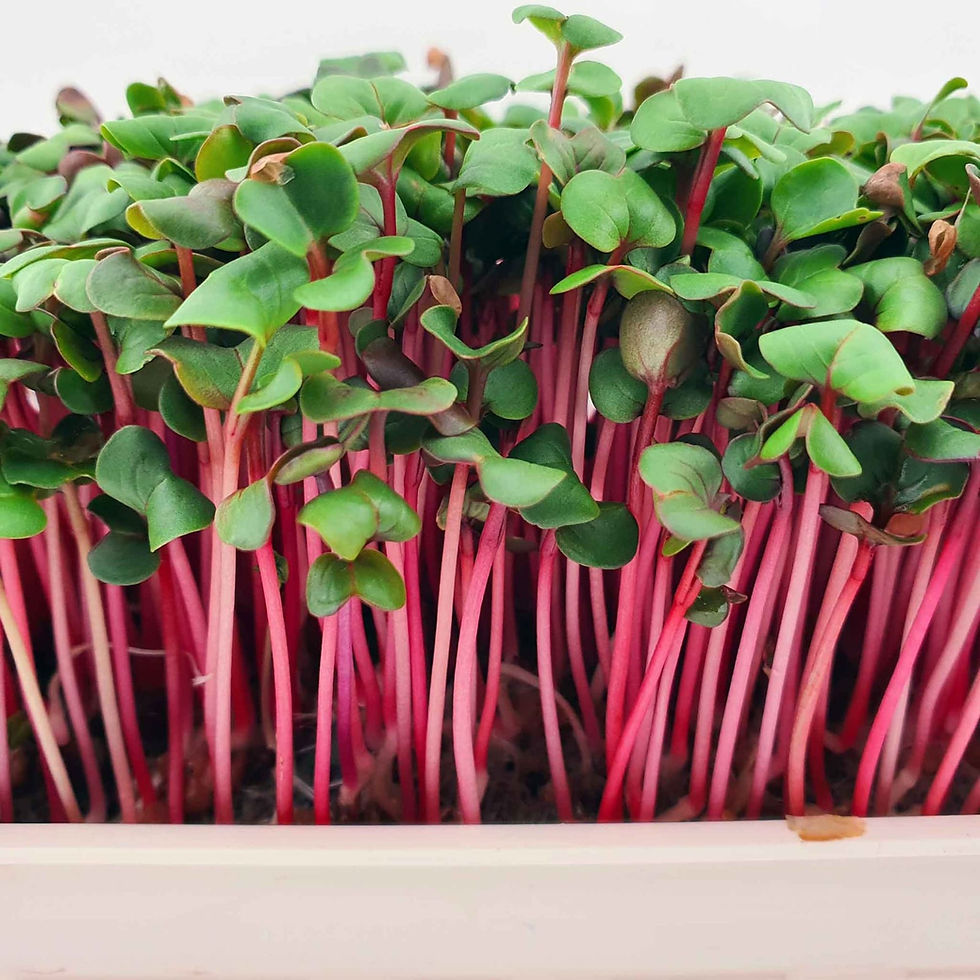
Digestive Issues: Some microgreens, especially those from the cruciferous family like broccoli or radish, contain compounds that can cause gas, bloating, or mild stomach discomfort in sensitive individuals. This is due to their high fiber content and natural sulfur compounds.
Allergic Reactions: Though rare, allergies to certain microgreens can occur. For example, people allergic to mustard or celery might react to mustard or celery microgreens. Symptoms can include itching, swelling, or even respiratory issues.
Contamination Risks: If microgreens are not grown or handled properly, they can harbor bacteria such as E. coli or Salmonella. This risk is higher with homegrown microgreens if hygiene is not maintained.
Oxalate Content: Some microgreens like spinach or beet greens contain oxalates, which in large amounts can contribute to kidney stone formation in susceptible individuals.
To minimize these side effects, it is important to start with small portions, buy from reputable sources, and ensure proper washing and storage.

Are Microgreens Risky to Eat?
Many wonder if microgreens pose any significant health risks. The answer depends largely on how they are grown and consumed.
Microgreens grown in controlled, clean environments with proper sanitation are generally safe. However, microgreens grown in contaminated soil or with untreated water can carry harmful pathogens. This is why purchasing microgreens from trusted suppliers or growing them using safe methods is crucial.
People with weakened immune systems, pregnant women, and young children should be particularly cautious. For these groups, consuming raw microgreens might increase the risk of foodborne illness. Cooking microgreens lightly can reduce this risk but may also diminish some of their nutritional benefits.
In summary, microgreens are not inherently risky but require careful handling and consumption practices to ensure safety.

Nutritional Benefits vs. Potential Side Effects
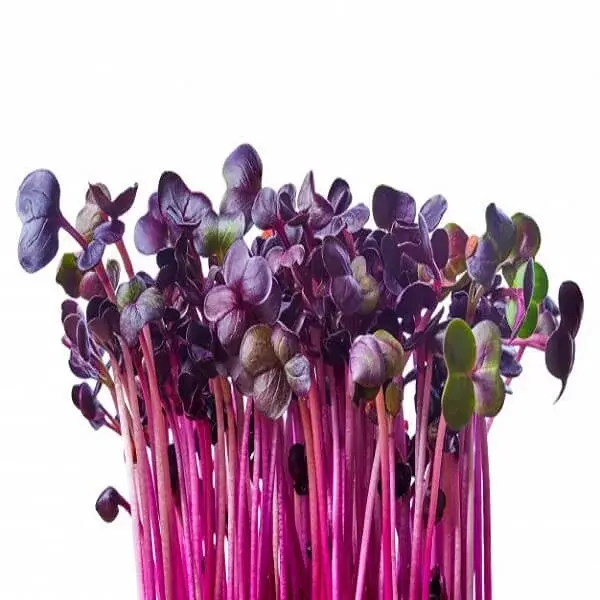
Microgreens pack a powerful nutritional punch. They often contain higher concentrations of vitamins, minerals, and antioxidants compared to their mature counterparts. For example, red cabbage microgreens have been shown to contain up to 40 times more vitamin E and six times more vitamin C than mature cabbage.
Despite these benefits, the potential side effects should not be overlooked. For instance:
High Vitamin K Content: Some microgreens like kale and spinach are rich in vitamin K, which can interfere with blood-thinning medications.
Fiber Overload: Sudden increases in fiber intake from microgreens can cause digestive discomfort.
Pesticide Residues: If not organically grown, microgreens might carry pesticide residues, which can have long-term health implications.
Balancing the intake of microgreens with other foods and consulting healthcare providers when on medication can help mitigate these risks.
How to Safely Incorporate Microgreens into Your Diet
To enjoy the benefits of microgreens while minimizing side effects, consider the following practical tips:
Start Small: Introduce microgreens gradually to allow your digestive system to adjust.
Choose Varieties Wisely: If you have allergies or sensitivities, avoid microgreens related to those allergens.
Buy from Trusted Sources: Purchase microgreens from reputable sellers who follow good agricultural and hygiene practices.
Grow Your Own: Using DIY kits to grow microgreens at home can give you control over the growing environment and reduce contamination risks.
Wash Thoroughly: Always rinse microgreens under running water before consumption.
Store Properly: Keep microgreens refrigerated and consume them within a few days to maintain freshness and safety.
Consult a Doctor: If you have health conditions or are on medication, check with your healthcare provider before adding large amounts of microgreens to your diet.
By following these steps, you can safely enjoy the fresh taste and nutritional benefits of microgreens.
Exploring Microgreens for Urban Health Enthusiasts
Urban living often means limited access to fresh, nutrient-rich produce. Microgreens offer a convenient and space-efficient way to boost nutrition at home. Their quick growth cycle and minimal space requirements make them ideal for apartments and small kitchens.
For those interested in starting their own microgreen garden, DIY kits are an excellent option. These kits come with seeds, growing trays, and instructions, making it easy to cultivate fresh greens year-round. Additionally, franchises like Miikrogrenz provide opportunities to engage in microgreen farming as a business, promoting healthy eating in urban communities.
Understanding the potential side effects and how to manage them ensures that microgreens remain a safe and enjoyable part of your diet.
For more detailed information on microgreens side effects, visit the linked resource.
Microgreens are a vibrant, nutritious addition to any diet, but like all foods, they come with considerations. By being informed about their side effects and practicing safe consumption, you can harness their full health potential while avoiding unwanted issues. Whether you buy them or grow your own, microgreens can be a fresh, tasty, and healthful choice for your meals.








Comments