
Understanding Side Effects of Microgreens

Microgreens have become a popular addition to many kitchens, praised for their vibrant colors, intense flavors, and impressive nutritional profiles. These tiny greens are young vegetable or herb seedlings harvested just after the first leaves have developed. While they offer numerous health benefits, it is important to understand that consuming microgreens may also come with certain side effects. This article explores the potential risks and considerations to keep in mind when incorporating microgreens into your diet.
Common Side Effects of Microgreens
Microgreens are generally safe for most people, but some individuals may experience mild side effects. These can include:
Digestive discomfort: Due to their high fiber content, eating large quantities of microgreens may cause bloating, gas, or stomach cramps, especially for those with sensitive digestive systems.
Allergic reactions: Some microgreens, such as mustard or sunflower, can trigger allergies in susceptible individuals. Symptoms may include itching, swelling, or difficulty breathing.
Interaction with medications: Certain microgreens like kale or spinach contain vitamin K, which can interfere with blood-thinning medications such as warfarin.
Contamination risks: If not grown or handled properly, microgreens can harbor harmful bacteria like E. coli or Salmonella, leading to foodborne illnesses.
To minimize these side effects, it is advisable to start with small portions, wash microgreens thoroughly, and consult a healthcare professional if you have existing health conditions or allergies.

Are microgreens risky to eat?
While microgreens are nutrient-dense and generally safe, there are some risks associated with their consumption. The primary concern is contamination during growing or harvesting. Because microgreens are harvested early and often consumed raw, any bacteria or pathogens present can pose a health risk.
Key risk factors include:
Improper sanitation: Using unclean water or soil can introduce harmful microbes.
Cross-contamination: Handling microgreens with unwashed hands or using contaminated tools increases risk.
Storage conditions: Keeping microgreens at improper temperatures can promote bacterial growth.
To reduce these risks, purchase microgreens from reputable sources or grow them yourself using clean seeds, sterile growing mediums, and filtered water. Always refrigerate microgreens and consume them within a few days of harvest.

Nutritional Benefits vs. Potential Drawbacks
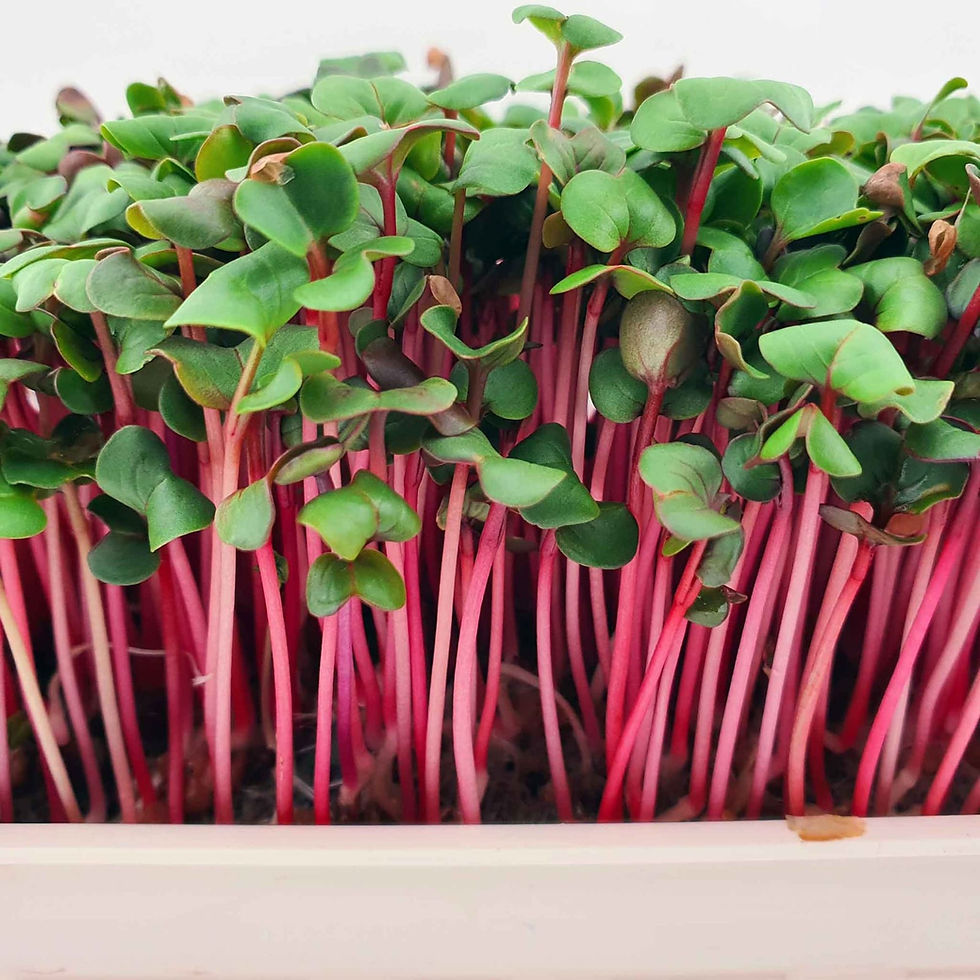
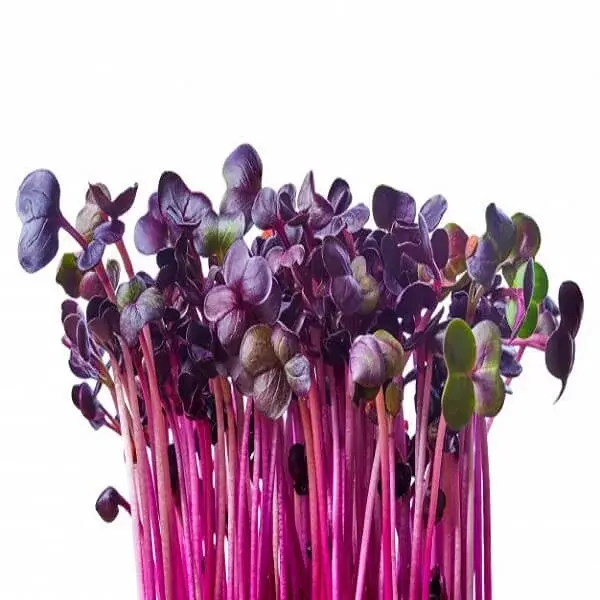
Microgreens are packed with vitamins, minerals, and antioxidants. For example, red cabbage microgreens contain up to 40 times more vitamin E and six times more vitamin C than mature cabbage. This makes them an excellent choice for boosting immunity and overall health.
However, the concentration of nutrients can sometimes be a double-edged sword. Excessive intake of certain compounds found in microgreens may cause:
Thyroid issues: Some microgreens like broccoli and kale contain goitrogens, which can interfere with thyroid function if consumed in very large amounts.
Oxalate buildup: Spinach microgreens are high in oxalates, which may contribute to kidney stone formation in susceptible individuals.
Balancing microgreens with other foods and moderating intake can help you enjoy their benefits without adverse effects.
How to Safely Incorporate Microgreens into Your Diet
To enjoy microgreens while minimizing side effects, consider the following practical tips:
Start small: Introduce microgreens gradually to monitor how your body reacts.
Diversify your greens: Rotate different types of microgreens to avoid overconsumption of any one compound.
Wash thoroughly: Rinse microgreens under cold running water before eating.
Store properly: Keep microgreens refrigerated in a breathable container to maintain freshness.
Grow your own: Using DIY kits can ensure you control the growing environment and reduce contamination risks.
By following these steps, you can safely add microgreens to salads, sandwiches, smoothies, and more.
Where to Buy Quality Microgreen Seeds and Kits
For those interested in growing microgreens at home, sourcing high-quality seeds and kits is essential. Look for suppliers that offer:
Certified organic seeds free from pesticides and chemicals.
Complete DIY kits with growing trays, soil, and instructions.
Franchise opportunities for those wanting to start a microgreens business.
Miikrogrenz offers a wide range of premium microgreen seeds and easy-to-use kits designed for urban homes. Their franchise program also supports entrepreneurs looking to enter the microgreens market with expert guidance.
Explore the benefits and potential microgreens side effects to make informed choices about your health and wellness.
Embracing Microgreens for a Healthier Lifestyle
Microgreens are a versatile and nutrient-rich addition to any diet. Understanding their potential side effects helps you enjoy them safely and effectively. Whether you buy fresh microgreens or grow your own, these tiny greens can enhance your meals with flavor and nutrition.
By staying informed and cautious, you can harness the power of microgreens to support your health goals while avoiding unwanted reactions. Start small, choose quality products, and savor the vibrant taste of microgreens every day.








Comments