
Exploring the Nutritional Diversity of Microgreens: Do Varieties Hold Unique Benefits?
- mikrogrens

- Jul 15, 2025
- 3 min read
Microgreens have taken the culinary world by storm. These tiny plants, harvested right after their first true leaves appear, are not only visually appealing but also packed with essential nutrients. Research shows that microgreens can contain up to 40 times more vital nutrients than their mature counterparts. This post dives into the unique nutritional profiles of various microgreens and how they can support different health goals and lifestyle choices.
Understanding Microgreens
Microgreens are young greens from a variety of plants, including vegetables and herbs, that are harvested within 7 to 21 days after sowing. They offer a remarkable concentration of vitamins, minerals, and antioxidants. A study highlighted that microgreens can have 4–40 times higher levels of vitamins C and E compared to fully grown plants.
Each variety comes with its own distinct flavor, color, and texture. Popular types include radish, broccoli, kale, arugula, and basil, each providing unique flavors and health benefits. For instance, broccoli microgreens provide a mild, cabbage-like taste, while radish microgreens pack a spicy crunch.
The Nutritional Profiles of Popular Microgreens
Understanding the nutritional differences among microgreens is crucial. Here are some of the most common varieties and their unique benefits:
1. Broccoli Microgreens
Broccoli microgreens are remarkably high in sulforaphane, a compound known for its potential cancer-fighting properties. Research indicates that these greens can contain up to 10 times more sulforaphane than mature broccoli. Additionally, they are rich in vitamins C, E, and K, supporting immune function and skin health.
2. Radish Microgreens
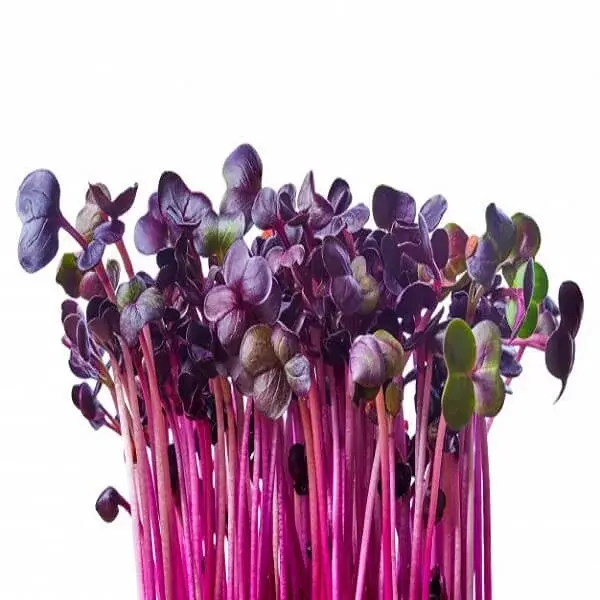
Radish microgreens add a spicy kick to dishes. They are high in antioxidants and nutrients such as vitamin C and folate. Studies have shown that radish microgreens contain 13 times more vitamin C than mature radishes. Their glucosinolates may aid digestion, enhancing overall gut health.
3. Pea Shoots
Pea shoots are tender and sweet, making them a delightful addition to salads. They provide essential vitamins A, C, and K, along with fiber. According to nutritional data, a serving of pea shoots can offer about 60% of the daily recommended intake of vitamin K, crucial for bone health.
4. Arugula Microgreens
Arugula microgreens have a peppery flavor and are a rich source of vitamins A, C, and K, as well as calcium and iron. Recent studies reveal that arugula microgreens enhance liver health due to their glucosinolate content, which supports detoxification in the body.
5. Basil Microgreens
Basil microgreens do more than flavor dishes; they are rich in essential oils and antioxidants. These tiny greens can reduce inflammation and improve digestion. Research indicates that basil microgreens may contain about 30% more antioxidants than mature basil.
Factors Influencing Nutritional Value
The nutritional content of microgreens can be influenced by several key factors:
Genetics
Each plant species has its own genetic makeup, affecting its nutrient density. For example, some microgreens may be higher in specific vitamins or minerals than others, impacting their health benefits.
Growing Conditions
Environmental factors such as light exposure, soil quality, and watering directly affect nutrient content. For instance, microgreens grown in full sunlight typically have higher nutrient levels than those grown in shaded conditions.
Harvesting Time
The optimal time to harvest microgreens can play a significant role in their nutritional value. Generally, microgreens harvested earlier may be richer in vitamins and minerals. A study indicated that harvesting at 14 days can maximize nutrient density compared to later stages.
Health Benefits Across Varieties
The diverse nutritional profiles of microgreens can offer various health benefits:
Support Detoxification: Microgreens like arugula and broccoli can aid the body’s natural detox processes, thanks to their glucosinolate content.
Boost Immune Function: Radish and pea shoots are high in vitamin C and antioxidants, crucial for a healthy immune system.
Promote Bone Health: Microgreens rich in vitamin K, such as kale and broccoli, could help protect against osteoporosis.
Adding Microgreens to Your Meals
Incorporating microgreens into your diet is quick and easy, enhancing both flavor and nutrition. Here are a couple of ideas:
Salads: Mix a handful of microgreens into your salads for a nutrition boost and improved flavor.
Sandwiches: Layer microgreens into your sandwiches or wraps for extra crunch and flavor.
Consider also blending microgreens like kale into smoothies for added nutrients without overpowering flavors.
Final Thoughts
Microgreens are not just nutritious; they bring unique flavors and health benefits to your meals. Each variety offers distinct properties, allowing health-conscious eaters to tailor their diets in creative ways. Whether you prefer the spice of radish microgreens or the sweetness of pea shoots, adding a variety of these little greens to your diet can significantly enhance your nutritional intake.
As plant-based eating continues to grow in popularity, microgreens represent a vibrant and nutritious choice that is easy to add to any meal. The next time you're at the grocery store, take a moment to explore the diverse options available and enjoy the many benefits they provide.









Comments