
How to Grow Microgreens Indoors in India

Microgreens are tiny, nutrient-packed greens harvested just after the first leaves develop. They are gaining popularity in urban Indian homes due to their health benefits, quick growth cycle, and ease of cultivation indoors. Whether you want to add fresh greens to your meals or start a small home business, growing microgreens indoors is a rewarding and sustainable choice.
Why Grow Microgreens Indoors in India?
Growing microgreens indoors offers several advantages, especially in Indian urban settings:
Space Efficiency: Apartments and small homes often lack garden space. Microgreens require minimal area, making them perfect for balconies, windowsills, or kitchen counters.
Year-Round Growth: Unlike outdoor gardening, indoor microgreens are not affected by seasonal changes or monsoons.
Nutritional Boost: Microgreens contain higher concentrations of vitamins, minerals, and antioxidants compared to mature vegetables.
Cost-Effective: Growing your own microgreens reduces the need to buy expensive organic greens from stores.
Freshness and Safety: You control the growing environment, ensuring pesticide-free, fresh produce.
In India, where fresh leafy greens can sometimes be scarce or expensive, indoor microgreens provide a reliable source of nutrition.

How to Grow Microgreens Indoors: Step-by-Step Guide
Growing microgreens indoors is simple and requires just a few materials. Here’s a practical guide to get you started:
1. Choose Your Seeds
Select seeds that are suitable for microgreens and easily available in India. Popular options include:
Fenugreek (Methi): Nutty flavor, rich in iron.
Mustard (Sarson): Spicy taste, high in vitamins A, C, and K.
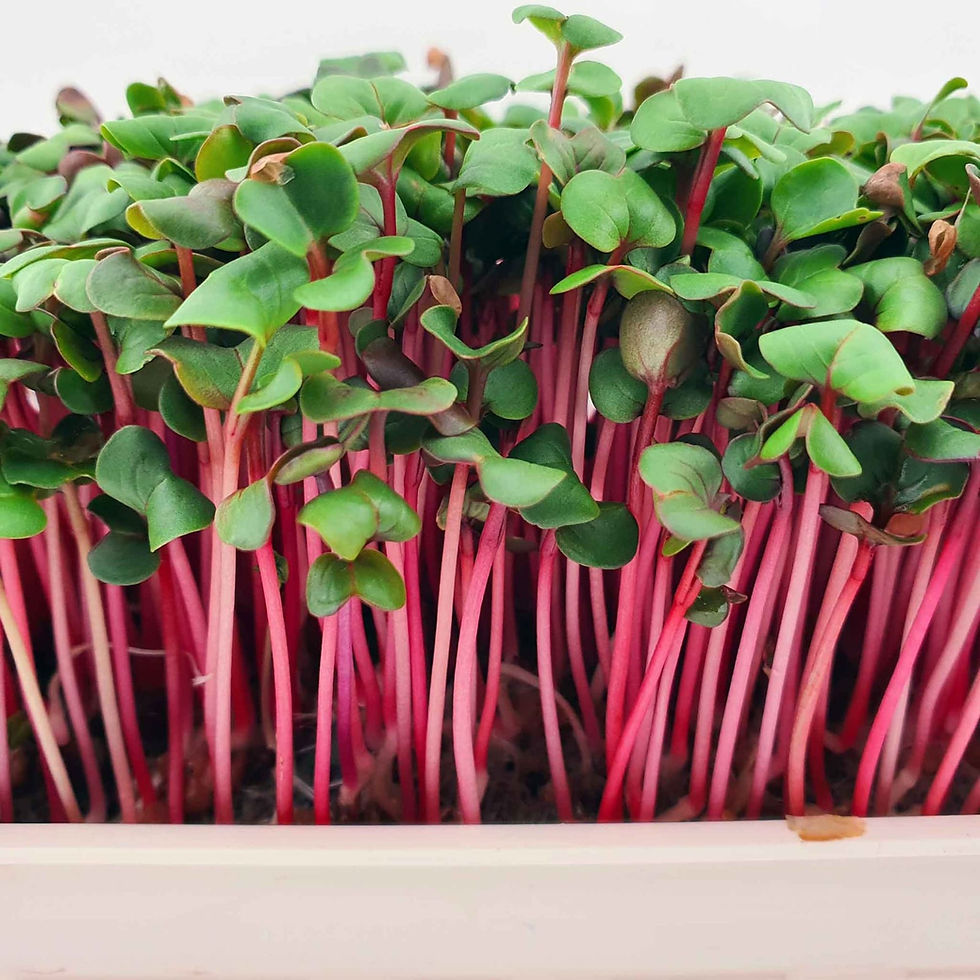
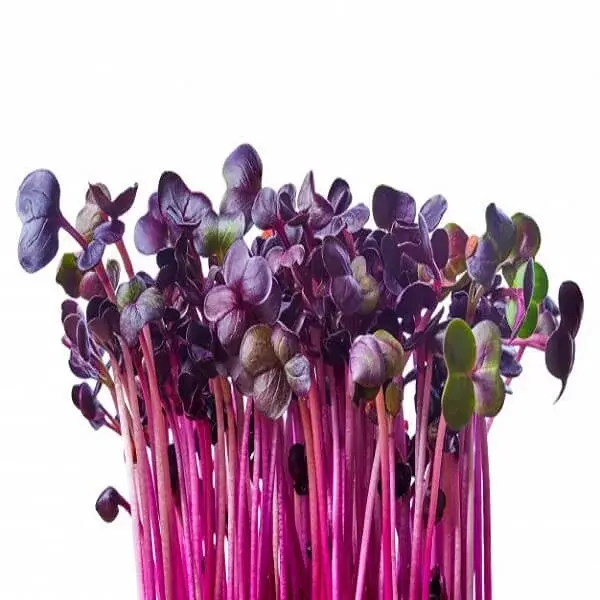
Radish: Peppery flavor, fast-growing.
Basil (Tulsi): Aromatic and flavorful.
Coriander (Dhaniya): Fresh and citrusy.
You can buy microgreen seeds or regular seeds from local markets or online stores specializing in microgreen kits.
2. Prepare the Growing Medium
Microgreens can be grown in soil, coco peat, or hydroponic mats. For beginners, soil or coco peat is recommended:
Use a shallow tray with drainage holes.
Fill it with 1-2 inches of organic potting soil or coco peat.
Moisten the medium evenly but avoid waterlogging.
3. Sow the Seeds
Spread seeds evenly over the surface.
Press them gently into the soil but do not bury them.
Cover the seeds lightly with a thin layer of soil or leave them exposed depending on the seed type.
4. Provide Proper Light and Temperature
Place the tray near a window with indirect sunlight or use a grow light.
Maintain a temperature between 20-25°C for optimal growth.
Avoid direct harsh sunlight which can dry out the seeds.
5. Watering and Care
Mist the seeds twice daily to keep the soil moist.
Avoid overwatering to prevent mold growth.
Ensure good air circulation around the trays.
6. Harvesting
Microgreens are ready to harvest in 7-14 days when the first true leaves appear.
Use scissors to cut the greens just above the soil line.
Rinse gently and use fresh in salads, sandwiches, or smoothies.

Do Microgreens Regrow After Cutting?
A common question is whether microgreens regrow after harvesting. The answer depends on the type of microgreen and how it is cut:
Most microgreens are harvested by cutting the stem just above the soil. This method usually does not allow regrowth because the plant’s energy is focused on the initial sprout.
Some hardy varieties like pea shoots or sunflower microgreens may regrow if cut carefully, but the second harvest is often smaller and less nutritious.
For consistent quality and yield, it is best to sow fresh seeds for each batch.
This means you will need to plan your sowing schedule to have a continuous supply of fresh microgreens.
Tips for Successful Indoor Microgreens Growing in India
To maximize your success, keep these practical tips in mind:
Use Quality Seeds: Purchase seeds specifically labeled for microgreens to ensure good germination.
Maintain Cleanliness: Sterilize trays and tools before use to prevent fungal infections.
Control Humidity: Indian climates can be humid; use a fan or dehumidifier if needed to avoid mold.
Rotate Crops: Try different seeds to find your favorites and keep your diet varied.
Use Organic Fertilizers: If growing in soil, a mild organic fertilizer can boost growth.
Invest in a Microgreen Kit: For beginners, DIY kits provide all essentials and detailed instructions.
For those interested in growing microgreens at home, kits and seeds are available that simplify the process and ensure high-quality results.
Benefits of Growing Microgreens Indoors for Health and Business
Microgreens are not only a superfood but also a potential business opportunity:
Health Benefits: Rich in antioxidants, vitamins, and minerals, microgreens support immunity, digestion, and overall wellness.
Culinary Uses: Add flavor, color, and nutrition to everyday meals.
Business Potential: Urban microgreen farming can be a profitable venture. Selling fresh microgreens, seeds, or DIY kits is in demand.
Franchise Opportunities: Companies like Miikrogrenz offer franchise models to help you start your own microgreen business with support and training.
By growing microgreens indoors, you can enjoy fresh greens daily and explore entrepreneurial avenues in the health food market.
Getting Started with Your Microgreen Journey Today
Starting your indoor microgreens garden in India is easy and rewarding. With minimal investment and space, you can enjoy fresh, nutritious greens year-round. Whether for personal health or business, microgreens offer a sustainable and profitable option.
Explore seed varieties, set up your growing trays, and begin your journey towards a greener, healthier lifestyle. For those looking for quality seeds, DIY kits, or franchise opportunities, Miikrogrenz provides excellent resources and products tailored for Indian urban growers.
Happy growing!








Comments